
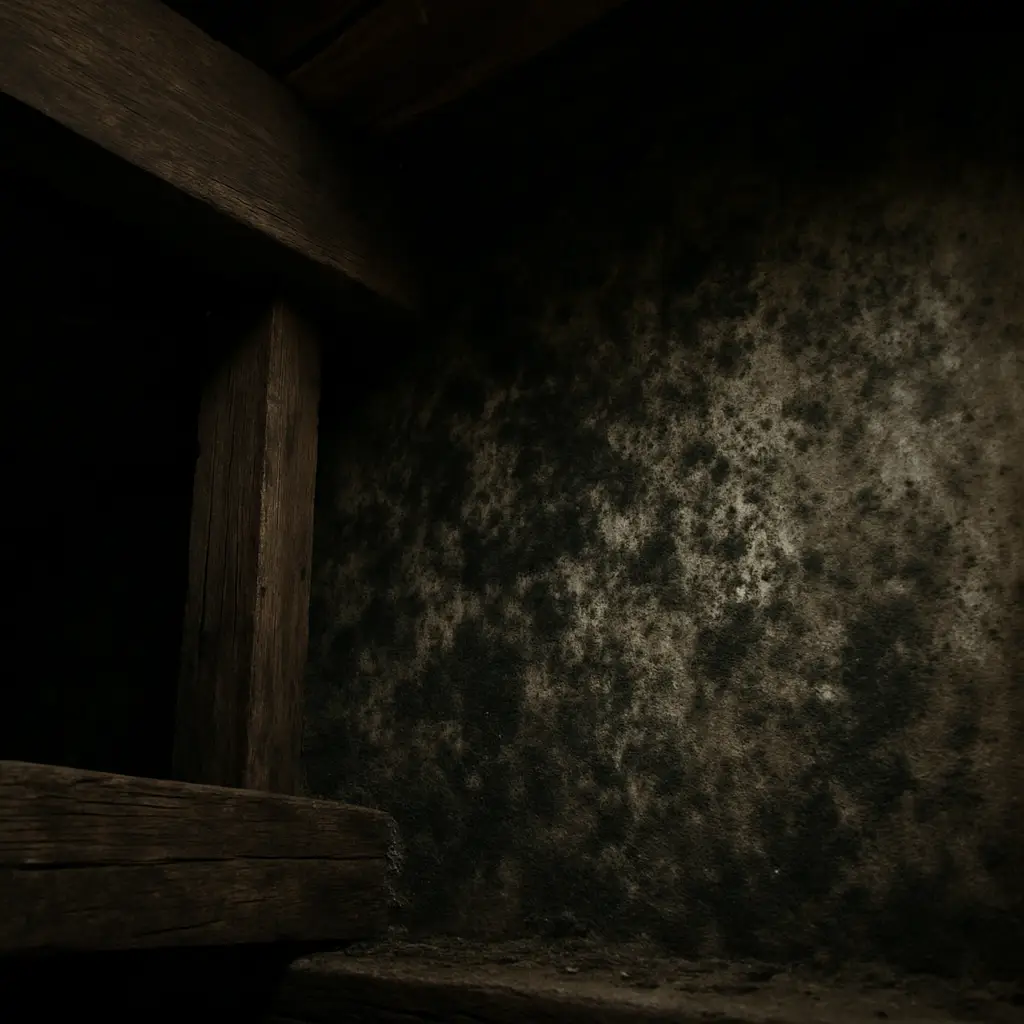

Mold is an unwelcome guest in any home, but it’s especially troublesome when it begins to grow in the attic. Spokane, WA, with its unique climate, often presents the perfect environment for mold growth. In this blog, we will explore what causes mold in Spokane attics and why you should trust CTR Spokane for mold remediation and removal.
The presence of mold in the attic not only compromises the structural integrity of your home but also poses significant health risks to its occupants. Addressing mold issues promptly is crucial to maintaining a safe and healthy living environment. Fortunately, understanding the root causes of mold growth can help prevent its occurrence and guide effective remediation efforts.
Before diving into mold removal, it’s essential to understand why mold might be growing in your attic in the first place. Mold thrives in moist, warm environments, and an attic can often provide just that. Here are some common causes of attic mold in Spokane:
Moisture Buildup
Spokane experiences a mix of weather conditions, including rainy seasons that can lead to increased humidity levels. This moisture can easily accumulate in your attic if not properly ventilated, creating an ideal breeding ground for mold. During the wet seasons, the lack of sunlight penetration in the attic exacerbates moisture retention, making it even more conducive for mold spores to thrive.
Furthermore, moisture can also be introduced into the attic through everyday household activities such as cooking and showering, which release water vapor into the air. Without adequate ventilation to disperse this humidity, the attic becomes a collection point, allowing mold to flourish unnoticed until it becomes a significant problem.
Poor Ventilation
Attics require proper ventilation to ensure that any excess moisture can escape. Without adequate airflow, moisture becomes trapped, leading to the damp conditions mold loves. Proper ventilation involves more than just having vents; it requires a strategic placement of intake and exhaust vents to facilitate the flow of air throughout the attic space.
Improperly sealed attics can also contribute to poor ventilation. If warm, moist air from the living spaces below is allowed to seep into the attic without a way to escape, condensation can occur. This trapped moisture can quickly lead to mold growth, particularly in corners and crevices where airflow is limited.
Roof Leaks
Spokane’s heavy rains can reveal roof leaks that might otherwise go unnoticed. Over time, even a small leak can allow enough water into the attic to cause significant mold growth. These leaks often go undetected until they lead to visible signs of water damage, by which point mold may already have taken hold.
Regular roof inspections and maintenance are crucial in preventing leaks from becoming a source of mold. Even minor repairs can prevent water intrusion that, if left unchecked, can lead to extensive mold contamination requiring costly remediation efforts.
Insulation Issues
Old or improperly installed insulation can also contribute to mold growth. Insulation that becomes wet holds moisture against wood and other building materials, which can start mold development. This is particularly problematic in older homes where insulation materials may have degraded over time, losing their effectiveness in preventing moisture accumulation.
In some cases, the type of insulation used can also impact mold growth. Certain materials are more prone to absorbing moisture and, if not properly sealed, can create pockets of trapped humidity that encourage mold proliferation. Regular inspection and, if necessary, replacement of insulation can mitigate these risks.
Why Mold in the Attic is a Problem
 Mold in the attic isn’t just a structural issue; it can also pose health risks. Here’s why you should address attic mold as soon as you notice it:
Health Concerns
Mold spores can travel through your home’s ventilation system, potentially causing respiratory issues, allergies, and other health problems for you and your family. Mold exposure can exacerbate asthma symptoms and lead to chronic respiratory conditions, particularly in individuals with pre-existing health issues or compromised immune systems.
The health impacts of mold are often insidious, as symptoms can be attributed to other common ailments. This makes it all the more critical to address mold issues promptly, as prolonged exposure can lead to long-term health complications that are more challenging to treat.
Structural Damage
Mold can degrade wood and other building materials, leading to costly structural damage. If left unchecked, it can weaken the integrity of your home’s roof and attic. This degradation not only compromises the safety of your home but can also lead to costly repairs if structural components need to be replaced.
In addition to wood, mold can affect other materials such as drywall and insulation, further increasing repair costs. Addressing mold promptly can prevent these materials from becoming irreparably damaged, preserving both the safety and value of your home.
Decreased Home Value
Visible mold can significantly decrease your home’s market value and deter potential buyers. Mold issues can be a major red flag for homebuyers, as they indicate potential structural problems and health risks. Consequently, homes with unresolved mold issues may linger on the market longer or sell for significantly less than their mold-free counterparts.
Moreover, mold remediation itself can be a costly process, and potential buyers may factor these expenses into their offers, further reducing the overall sale price. Ensuring your attic is free of mold not only protects your investment but also enhances your home’s appeal to prospective buyers.
How to Spot Mold in Your Attic
Detecting mold early is crucial. Here are signs to look out for:
- Musty Odor: A persistent, musty smell is often the first indication of mold. This odor can permeate living areas, making it not only unpleasant but also a clear signal that mold is present.
- Visible Growth: Mold can appear as black, green, or white patches on wood or insulation. These patches can vary in size and are often found in areas with minimal airflow.
- Water Stains: Discoloration or stains on the ceiling or walls can be a sign of water damage and potential mold growth. These stains often precede visible mold, making them an early warning sign of potential issues.
Regular inspections of your attic can help identify these signs early. If you notice any of these indicators, it’s important to act quickly to prevent further mold growth and damage.
Mold Remediation and Removal in Spokane
When it comes to dealing with mold, professional help is often the safest and most effective solution. That’s where CTR Spokane comes in.
Why Choose CTR Spokane?
CTR Spokane is a trusted name in mold remediation in Spokane. Here’s why you should consider them for your mold removal needs:
- Experienced Professionals: CTR Spokane’s team is highly trained in identifying and safely removing mold. Their expertise ensures that mold is addressed at its source, preventing recurrence.
- Local Expertise: As a Spokane-based company, CTR Spokane understands the local climate and its impact on mold growth. Their familiarity with local weather patterns allows them to implement effective mold prevention strategies tailored to the region.
- Comprehensive Services: From initial inspection to complete mold removal and remediation, CTR Spokane handles every step of the process. Their end-to-end service ensures that all aspects of mold remediation are covered, providing peace of mind to homeowners.
- Customer Satisfaction: With a focus on quality and customer service, CTR Spokane ensures that your mold problem is thoroughly addressed. Their commitment to customer satisfaction is reflected in their thorough follow-up and ongoing support.
The Mold Remediation Process with CTR Spokane
CTR Spokane follows a detailed process to ensure effective mold remediation:
Inspection and Assessment
The first step is a thorough inspection of your attic to assess the extent of the mold growth and identify its source. This detailed assessment allows CTR Spokane to develop a targeted remediation plan that addresses both the symptoms and the underlying causes of mold growth.
Containment
To prevent mold spores from spreading to other parts of the house, CTR Spokane sets up containment barriers. These barriers ensure that the remediation process does not inadvertently spread mold, protecting unaffected areas of the home.
Air Filtration
High-efficiency particulate air (HEPA) filters are used to capture mold spores in the air, ensuring a cleaner environment. This step is crucial in reducing airborne spores that could settle in other areas and lead to further mold growth.
Mold Removal
CTR Spokane uses specialized equipment and techniques to remove mold from all affected surfaces. Their methods are designed to be thorough yet minimally invasive, preserving the integrity of your home’s structure while effectively removing mold.
Cleaning and Sanitization
All surfaces are cleaned and sanitized to prevent future mold growth, including the use of anti-fungal treatments. These treatments help ensure that mold does not return, providing long-term protection against future infestations.
Restoration
Finally, any materials that were damaged by mold are repaired or replaced to restore your attic to its original condition. This restoration process not only addresses the immediate mold issue but also reinforces the affected areas to prevent future problems.
Preventing Future Mold Growth
After remediation, preventing future mold growth is crucial. Here are some tips:
- Ensure Proper Ventilation: Regularly check and maintain attic vents to ensure proper airflow. This includes cleaning vents and ensuring they are not blocked by debris or insulation.
- Fix Leaks Promptly: Address any roof leaks immediately to prevent moisture buildup. Regular roof inspections can help identify potential leaks before they become a problem.
- Monitor Humidity Levels: Consider using a dehumidifier to maintain optimal humidity levels in your attic. Keeping humidity levels below 60% can significantly reduce the risk of mold growth.
In addition to these tips, regular inspections and maintenance of your attic can help catch potential issues early. By staying vigilant, you can protect your home from the damaging effects of mold.
Conclusion
Mold growth in your attic is not a problem to ignore. If you suspect mold in your Spokane home, act quickly to address it. With their expertise and dedication, CTR Spokane is your go-to solution for mold remediation in the area. Trust their team to restore your attic to a safe and healthy condition.
For more information or to schedule an inspection, contact CTR Spokane today. Don’t let mold compromise your home’s safety and value—reach out to the professionals and protect your investment. Regular maintenance and prompt action are key to keeping your home mold-free and ensuring a healthy environment for you and your family.